Seven days is the sweet spot for a first Kenya safari. It covers two or three ecosystems without feeling rushed, and still fits a normal vacation budget. This itinerary runs from Nairobi to Amboseli National Park, on to Lake Naivasha, and into the Maasai Mara National Reserve. Then it flies back to the city. Real distances, drive times, and indicative costs sit at every stage below.
This is not the only way to see Kenya. But it is the route most tour operators quote first-time travelers. It balances a flight-free itinerary with three very different landscapes. Amboseli has the Kilimanjaro backdrop. Naivasha has lake country. The Mara has open grassland.
Why This Route Works for a First Safari
Amboseli, Naivasha, and the Mara sit within road distance of Nairobi and of each other. You never need more than one internal flight, and even that is optional. Each stop offers something the others do not. Amboseli gives you elephants and Mount Kilimanjaro views. Naivasha gives you a gentler pace and Hell’s Gate National Park. The Mara gives you the highest concentration of predators in Kenya.
First-timers often over-plan and add a fourth or fifth park. On a 7-day trip that means more driving days than game-viewing days. Three stops, done properly, beats five stops rushed.
A private vehicle with a dedicated driver-guide matters more than most first-timers expect. Shared shuttle transfers save money but cost flexibility. A private guide can adjust the day’s route around fresh sightings or weather, while a shared vehicle sticks to a fixed schedule. Budget for a private vehicle if the trip allows it.
The 7-Day Route at a Glance
| Day | Location | Drive/flight from previous stop | Overnight |
|---|---|---|---|
| 1 | Arrive Nairobi (JKIA) | N/A | Nairobi |
| 2-3 | Amboseli National Park | approx. 240 km / 4-5 hrs by road | Amboseli area |
| 4 | Lake Naivasha | approx. 240 km / 4 hrs by road | Naivasha |
| 5-6 | Maasai Mara National Reserve | approx. 260 km / 5-6 hrs by road | Mara area |
| 7 | Fly to Nairobi, depart | approx. 45 min flight (Ol Kiombo/Musiara to Wilson) | Departure |
Driving the whole loop is possible. But most operators fly the Mara-to-Nairobi leg on day 7 instead. That protects a same-day international departure, since the road option eats most of a travel day.
Day 1-2: Amboseli National Park and Kilimanjaro Views
Amboseli sits about 240 km southeast of Nairobi, roughly a 4 to 5 hour drive via the Namanga road. The park covers 392 km2. It is best known for large elephant herds moving against the backdrop of Mount Kilimanjaro, which rises 5,895 meters just across the Tanzanian border. Entry runs through Meshanani Gate or Kimana Gate. Non-resident park fees sit in an indicative $60-80 per person per day range. Confirm the current rate at booking, since fees adjust periodically.
Two full days here allow a sunrise game drive, a midday break during the heat, and an evening drive when elephants move toward the swamps. Ol Tukai and Kimana are the main lodge clusters. Both sit a short drive from the swamp viewing areas where herds gather in the dry season.
Day 3: Transfer via Lake Naivasha
From Amboseli, the route to Lake Naivasha runs back through Nairobi’s outskirts. That is roughly 240 km and about 4 hours, depending on traffic through the capital. Naivasha covers around 139 km2 and sits at a gentler altitude than the Mara, making it a good midpoint break.
Most first-timers add a boat ride on the lake to see hippos and fish eagles. Many also add a half-day at Hell’s Gate National Park, 68 km2 of gorges and geothermal features. You can walk or cycle among wildlife there, something not permitted in most Kenyan parks. Hell’s Gate’s non-resident entry fee sits in an indicative $30 range.
Day 4: Lake Naivasha to the Maasai Mara
The drive from Naivasha to the Mara covers about 260 km and takes 5 to 6 hours via Narok town, the last major stop before the reserve. Roads inside the conservancy areas are unpaved, so the final hour runs slower than the highway stretch.
The Maasai Mara National Reserve covers 1,510 km2 on the Kenyan side of the Mara-Serengeti ecosystem. Main entry points include Sekenani Gate, Oloolaimutia Gate, and Talek Gate, each feeding different camp clusters. Non-resident entry fees sit in an indicative $80 per person per day range during peak season. That is higher than most other Kenyan parks, reflecting the Mara’s drawing power.
Day 5-6: Two Full Days in the Maasai Mara
This is where the itinerary earns its place on a first-timer’s list. Two full days allow a dawn game drive, a midday rest, and a sundowner drive, the pattern most camps run daily. If your visit falls between July and October, ask your guide about crossing points near the Mara River. Wildebeest herds cross there during the Great Migration, though exact crossing days cannot be scheduled in advance.
Outside migration season, the Mara still holds resident lion prides, cheetah, and large elephant and buffalo populations year-round. The reserve rewards a visit in any month.
Split your two Mara days between different zones if your camp allows it. A morning drive near the Mara Triangle in the reserve’s western section covers different terrain than an afternoon drive near the Talek River. Switching zones roughly doubles the variety of sightings compared to covering the same loop twice.
Day 7: Fly Back to Nairobi and Departure
Most itineraries end with a short flight from Ol Kiombo or Musiara airstrip back to Wilson Airport in Nairobi. That is about 45 minutes, compared to a 5 to 6 hour road transfer. It keeps a same-day international connection realistic if your flight departs in the evening from Jomo Kenyatta International Airport, about 15 km from Wilson.
If your outbound flight is early the next morning instead, book a Nairobi hotel near the airport for the final night. That beats pushing straight through after a long game drive.
What This Itinerary Costs
| Cost category | Indicative range (per person, mid-range) | Notes |
|---|---|---|
| Park and reserve entry fees (7 days combined) | $250-350 | Varies by season and park |
| Mid-range lodge/camp accommodation (6 nights) | $1,200-2,200 | Full board, standard tented camps |
| Ground transport (private vehicle and guide) | $600-900 | 7 days, shared across group |
| Optional Mara-Nairobi flight | $150-250 | One way, per person |
| Total indicative range | $2,200-3,700 | Excludes international flights |
These are labelled indicative ranges, not fixed quotes. Actual costs depend on season, camp category, and group size. Treat this table as a planning baseline, not a final price.
Explorer Notes
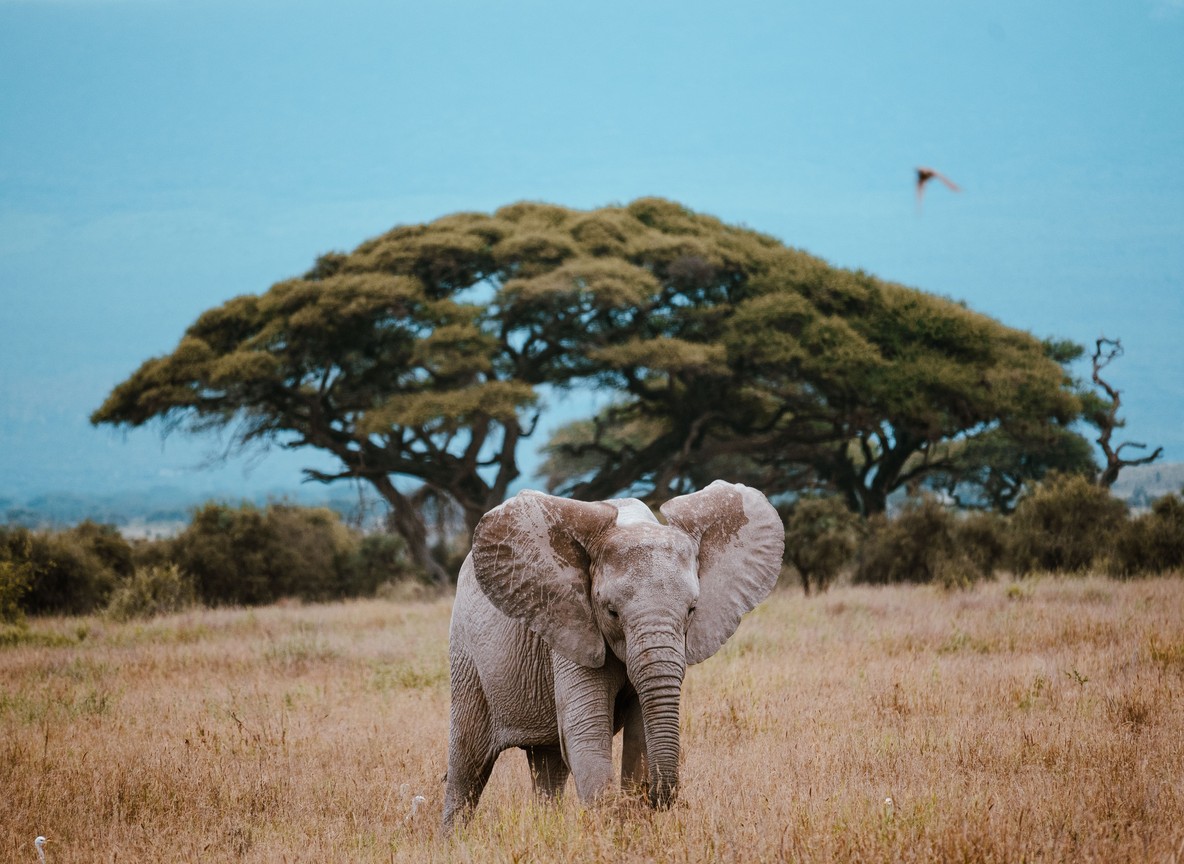
Amboseli’s swamps draw the biggest elephant herds in the late morning, not at dawn. The animals move toward water as the day heats up. If your camp offers a choice of drive times, ask for a later morning slot here instead of the usual sunrise departure.
At Lake Naivasha, book the Hell’s Gate walking or cycling option a day ahead. Ranger-guided slots fill fast in high season. Walking among zebra and giraffe on foot is a rare experience most first-time visitors do not know to request.
In the Mara, camps near Talek Gate sit closer to the river crossing points than camps near Sekenani. That matters if migration timing is a priority for your trip. Ask your operator which gate your specific camp uses before booking.
Roads between Naivasha and Narok can wash out after heavy rain, adding an hour or more to the transfer. Build a buffer into day 4 instead of scheduling a tight connection to an afternoon game drive.
If you are ready to turn this route into a booked trip, our Tour Packages page lists partner operators running this exact Amboseli-Naivasha-Mara circuit, with current availability and quotes for your travel dates.
Frequently Asked Questions
Is 7 days enough for a first Kenya safari? Yes. Seven days covers three distinct ecosystems, Amboseli, Lake Naivasha, and the Maasai Mara, without requiring more than one short internal flight.
Do I need to fly between parks on this itinerary? No. The entire route can be driven. Most travelers only fly the final Mara-to-Nairobi leg to protect a departure flight.
What is the best month for this itinerary? The Mara rewards a visit any time of year. July through October adds a chance of Great Migration river crossings. The dry seasons (June-October and January-February) generally offer easier roads.
How much does a 7-day Kenya safari cost for a first-timer? Mid-range budgets typically fall in a $2,200-3,700 per person indicative range. That covers park fees, accommodation, and ground transport, excluding international flights.
Can this itinerary work for a family with children? Yes, though check each camp’s minimum age policy for game drives and any night-drive restrictions before booking. Policies vary by property.
What to Read Next
- Curious how this compares to a lower-budget route? See our budget 7-day Kenya safari itinerary guide.
- Considering a northern alternative instead? Read our 7-day northern Kenya safari itinerary through Samburu to Lake Turkana.
- Traveling with kids? Check our guide on what a family safari in Kenya actually costs.
Further reading
More safari planning resources
- Nairobi to Maasai Mara route guide from Valley Safaris
- Amboseli National Park guide on Touring Insights
- Compare Kenya safari packages on FindMySafari
- Rift Valley lakes map from Valley Safaris
Related guides: Best Amboseli Itinerary for First Timers, Cheap Kenya Safari 2026: Group-Joining Trips From $180 a Day for First-Timers.